Pick & Cut a Perfect Pineapple: Ripeness Guide & Easy Steps
Few fruits embody tropical sunshine quite like a perfectly ripe pineapple. Its sweet, tangy, and juicy flesh is a treat, whether enjoyed on its own, in a smoothie, grilled, or as part of a savory dish. However, for many, the spiky exterior and seemingly complex structure can make learning how to cut a pineapple feel a little intimidating. Fear not! With a few simple tricks and the right approach, you can transform this prickly fruit into delicious, ready-to-eat pieces in minutes, just like a pro.
This comprehensive guide will walk you through everything you need to know, from selecting the ideal pineapple at the grocery store to mastering the art of peeling, coring, and slicing. We'll even share a clever hack to eliminate that sometimes uncomfortable tingling sensation fresh pineapple can cause. Get ready to enjoy fresh-cut pineapple like never before!
Choosing Your Crown Jewel: How to Tell When a Pineapple is Ripe
The journey to enjoying perfect pineapple begins before you even bring it home. A crucial fact about pineapples is that, unlike many other fruits, they do not ripen significantly after being picked. While an underripe pineapple might soften over time, its sugar content won't increase, meaning it won't get any sweeter. This makes selecting a truly ripe one at the store paramount for the best flavor experience. Here’s what to look for:
The Sniff Test: Your Best Indicator
- Sweet Aroma: The most reliable sign of ripeness is a sweet, fresh pineapple scent emanating from the base (stem end) of the fruit. It should smell distinctly like fresh pineapple juice.
- No Smell? Underripe: If there's no scent at all, or only a very faint one, the pineapple is likely underripe. It won't have developed its full sugar content and flavor.
- Sour or Fermented? Overripe: Conversely, if the base smells vinegary, fermented, or slightly sour, the pineapple is past its prime. Its flesh will be mushy and may have an unpleasant taste.
Visual & Tactile Clues
- Golden Hue: Look for a pineapple with a vibrant golden-yellow color on its skin, particularly towards the base. While some green is normal, the less green and more golden, the better. Avoid pineapples that are entirely green, as they are often underripe.
- Firm, Plump Body: The pineapple should feel firm and plump to the touch. Give it a gentle squeeze; it should yield slightly with light pressure, but not feel soft or mushy. A rock-hard pineapple is underripe, while one that's too soft or has visible soft spots is overripe.
- Green, Healthy Leaves: The leaves (or "crown") should be mostly green and look fresh, not dry or wilted. A common trick is to try and pull a single leaf from the center of the crown; if it detaches easily with a gentle tug, it's often a good sign of ripeness. If it's difficult to pull, it might be underripe; if it comes off too easily or many leaves are falling out, it could be overripe.
- Weight: A ripe pineapple will often feel heavy for its size, indicating a juicy interior.
Once you've selected your perfect pineapple, it's best to eat it soon after purchase. If you can't cut it immediately, store it in the refrigerator for a few days to help maintain its flavor and texture. Whole pineapples can last about 3-5 days at room temperature or 5-7 days in the fridge.
Essential Tools & Pro Tips for Cutting Pineapple
Before you dive into the delicious task of cutting your pineapple, gather your tools. Having the right equipment will make the process smoother, safer, and ensure you get the most out of your fruit.
The Right Knives Make All the Difference
- Large, Sharp Chef's Knife: This is your workhorse. A sharp chef's knife (8-10 inches) is essential for safely and efficiently slicing off the top and bottom of the pineapple, as well as removing the tough outer skin. Its length and weight provide leverage and clean cuts. A dull knife is actually more dangerous, as it requires more force and can slip.
- Small, Sharp Paring Knife: For the more intricate work of removing the "eyes" (the small brown spots left after peeling), a small, sharp paring knife is indispensable. Its size allows for precision and control, ensuring you only remove the necessary bits without wasting precious pineapple flesh. Trying to use a large knife for this step would be cumbersome and lead to significant waste.
Additional Helpful Items
- Sturdy Cutting Board: A large, stable cutting board is crucial for safety. Ensure it doesn't slip on your countertop; placing a damp paper towel or non-slip mat underneath can help.
- Bowl for Cut Pineapple: Have a bowl ready to collect your freshly cut pineapple pieces.
A Special Note on Pineapple Tingling
Have you ever experienced a strange tingling, itching, or slightly burning sensation in your mouth or throat after eating fresh pineapple? This is due to an enzyme called bromelain, which breaks down proteins. While generally harmless, it can be uncomfortable for some. There's a simple, ancient trick to neutralize this enzyme:
The Saltwater Soak: After cutting your pineapple, give the pieces a quick soak in lightly salted water for about 30 seconds to a minute. Don't worry, it won't make your pineapple taste salty, but it effectively neutralizes the bromelain, allowing you to enjoy the fruit without any discomfort. Rinse lightly before serving if desired, though often unnecessary.
Step-by-Step Guide: How to Cut a Pineapple Like a Pro
Now that you've picked a perfectly ripe pineapple and gathered your tools, let's get down to the actual cutting. This method is efficient, minimizes waste, and results in beautiful pieces ready for any culinary adventure. For more detailed tips on achieving perfectly uniform cuts, check out our guide on How to Cut a Pineapple Like a Pro: Easy Steps for Fresh, Sweet Fruit.
- Prepare Your Workstation: Lay the whole pineapple on its side on a stable cutting board.
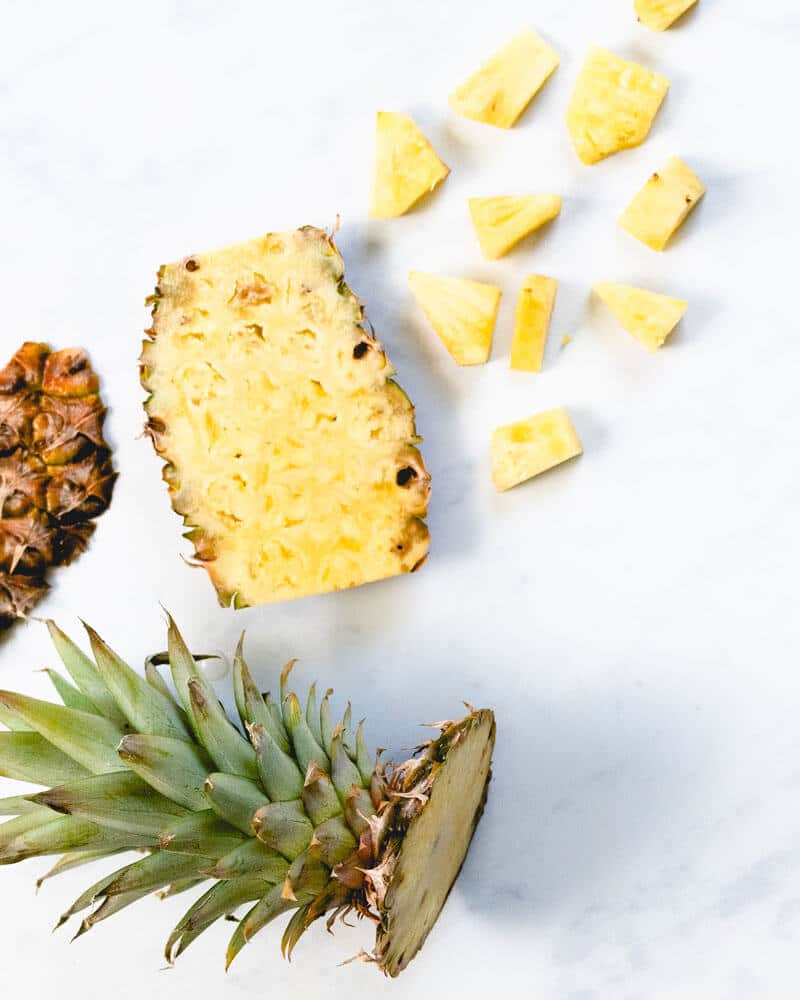
- Remove the Top and Bottom: Using your large, sharp chef's knife, carefully slice off the woody crown (top) of the pineapple, about 1 inch down. Repeat this for the bottom, cutting off about 1 inch from the base. This creates two flat, stable surfaces.
- Stand Upright and Peel: Stand the pineapple upright on one of the flat ends. Carefully slice downwards, following the natural curve of the fruit, to remove the thick, spiky skin. Try to cut as close to the skin as possible to preserve as much sweet flesh as you can. Rotate the pineapple as you go, removing all the outer peel.
-
Address the "Eyes": After peeling, you'll notice diagonal rows of small, brown "eyes" embedded in the flesh. You have a couple of options here:
- Individual Eye Removal: For minimal waste, use your small paring knife to carefully cut out each individual eye. This is precise but can be time-consuming.
- Spiral V-Cut Method (Recommended): Observe the natural diagonal pattern of the eyes. Using your paring knife, make a V-shaped incision along one row of eyes, then another V-cut parallel to it, essentially cutting out a shallow trench that removes an entire strip of eyes. Continue this around the pineapple, creating a spiral pattern of removed "trenches" until all eyes are gone. This method is faster and surprisingly efficient, leaving you with a beautifully sculpted pineapple.
-
Remove the Core: The core of a pineapple is tough and fibrous. While edible, most prefer to remove it.
- Method 1 (Slicing): Stand the pineapple upright again. Slice it in half lengthwise, then slice each half again, creating quarters. Lay each quarter on its side and carefully slice off the triangular core running down the center.
- Method 2 (Corer Tool): If you have a pineapple corer, follow its instructions. This tool makes quick work of removing the core and often creates perfect rings.
-
Slice and Dice: Now that your pineapple is peeled and cored, you can cut it into your desired shape:
- Rings: If you quartered the pineapple, lay the core-removed quarter flat and slice across to create crescent-shaped pieces. If you used a corer tool, you'll already have perfect rings.
- Chunks: Slice the pineapple quarters into thick spears, then cut the spears into bite-sized chunks.
- Diced: Start with chunks, then dice them into smaller, uniform pieces perfect for salsa, fruit salad, or grilling.
Storing Your Freshly Cut Pineapple
Once cut, fresh pineapple should be stored properly to maintain its freshness and flavor:
- Airtight Container: Place your cut pineapple pieces in an airtight container.
- Refrigerate: Store the container in the refrigerator. Freshly cut pineapple will last for 3-5 days.
- Freezing (Optional): For longer storage, you can freeze pineapple chunks. Lay them in a single layer on a baking sheet and freeze until solid, then transfer to a freezer-safe bag. Frozen pineapple is perfect for smoothies!
Conclusion
Cutting a pineapple doesn't have to be a daunting task. By following these simple steps, understanding how to pick a ripe fruit, and using the right tools, you'll quickly become adept at transforming this tropical marvel into delicious, ready-to-eat pieces. From that first sweet aroma at the store to the final juicy bite, you'll appreciate the fresh flavor and the satisfaction of preparing it yourself. So go ahead, grab a pineapple, and enjoy the taste of the tropics right in your own home!
